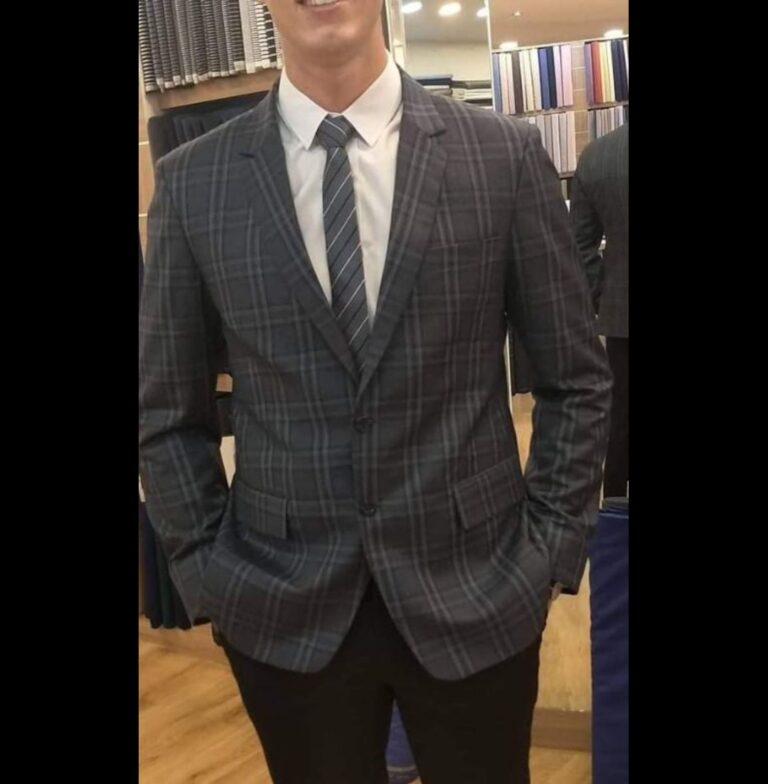
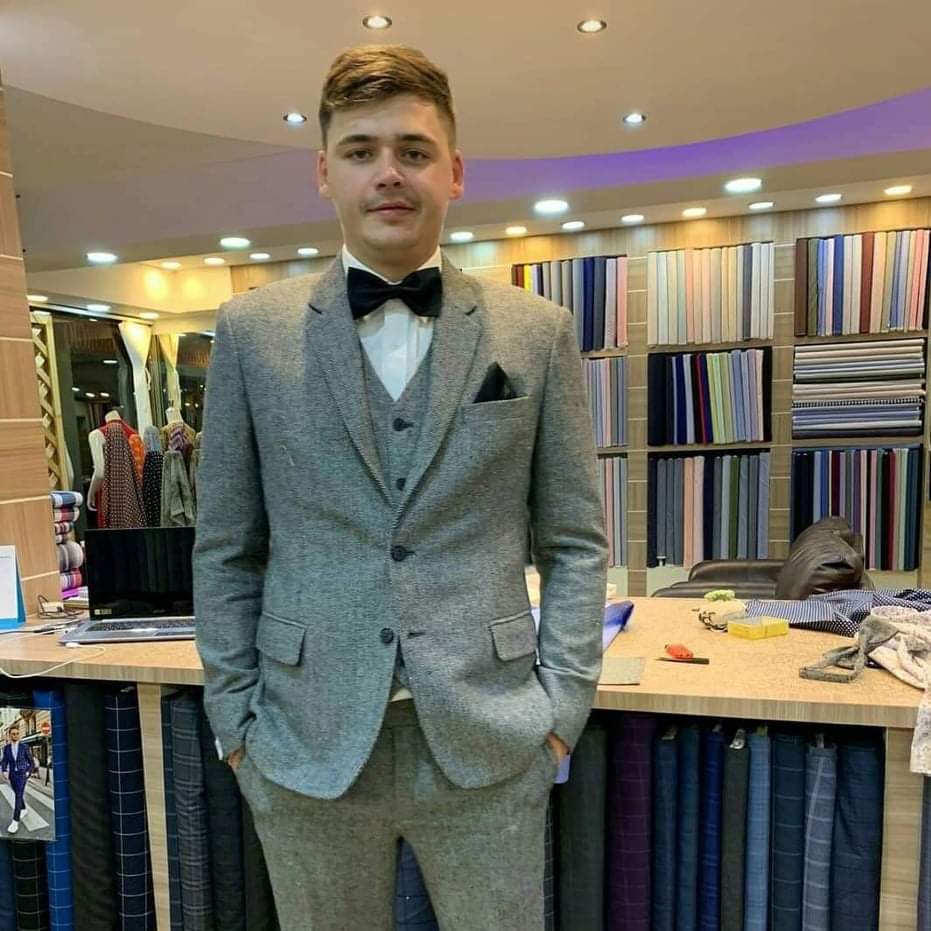
Most people don’t land in Khao Lak thinking, “I’m going to get a suit made here.”
Traveling to Khao Lak, an island near Thailand is usually about nature, and slowing down. You come for the quiet beaches, long walks, maybe a break from your usual routine. Your days are slower. You’re not checking the time every hour. And somewhere in between that relaxed pace, the idea of visiting a tailor starts to feel… natural.
Not because you planned it—but because here, you actually have the time to do it right.
That’s exactly why choosing a Bespoke Tailor in Khao Lak often turns into one of those unexpected travel decisions people don’t regret.
Before You Visit a Tailor, Answer These Three Questions
The buyers who walk out happiest are the ones who arrive with a clear sense of what they want. The unhappy ones tend to be the ones who decided everything on the spot.
Where will you actually wear this suit?
A linen suit for a beach wedding in Phuket is a very different garment from a wool suit for board meetings in London. Be honest about the answer. If the suit will live in a humid climate, the fabric needs to breathe. If it will live in a cold one, weight and lining matter more than how it feels on a 32 degree afternoon in Khao Lak.
How many fittings can your trip realistically allow?
A proper custom suit needs at least two fittings spread across three to five days. If your itinerary only allows 48 hours in Khao Lak, set realistic expectations. A shirt or simple trousers can be finished in time, but a jacket should not be rushed. Many tailors offer hotel deliveries and onward international shipping, so a slightly extended turnaround is not a problem if the tailor can ship to you later.
What kind of suit do you actually need?
A formal business suit, a relaxed holiday jacket, and a wedding three piece are different garments built in different ways. Decide what role this suit will play in your wardrobe before you walk in. Smarter buyers think about cloth, construction, and finishing as a package, not as separate decisions made on the spot.
What Actually Makes a Suit Worth Owning
looking only at the surface offer. A custom suit is not that kind of product.
Three things separate a suit that lasts from one that disappoints.
Fabric. The single biggest factor. Pure Italian wool, English worsted cloth, and silk wool blends sit at the top of the quality range. Polyester blends and basic synthetic fabrics sit at the bottom. A skilled tailor will let you see and feel the difference rather than only naming the mill.
Construction. This is the part nobody talks about. Inside the jacket is either a full canvas, a half canvas, or fused interlining. Fused jackets are cheap to produce, fast to assemble, and tend to bubble or warp over time, especially in humid climates. Half canvas and full canvas jackets last longer and hang far better on the body.
Finishing. Buttons, lining, stitching, pocket flaps, working sleeve buttonholes. Small things, but the difference between a suit that looks tailored and one that looks bought.
The shops worth your time are the ones that talk openly about all three. Be cautious of any tailor who only wants to discuss colours and patterns. That is selling, not advising.
Choosing the Right Fabric for the Right Place
Pick the fabric for your destination, not the season you are travelling in. Standing in 30 degree heat makes everything feel hot. That does not mean a heavier cloth is wrong for the wardrobe back home.
Tropical wool is the most versatile choice. It looks formal, drapes properly, and travels well between climates. A low GSM wool breathes far better than most buyers expect.
Linen is the holiday classic. It wrinkles freely, which is part of its character, and feels almost weightless on the body. Best for beach weddings, garden events, and casual summer wear.
Cotton blends sit between wool and linen in formality. Easy to maintain, soft against the skin, and a sensible choice for shirts and lighter jackets.
Wool blends and silk wool mixes strike a balance between structure and softness. A good choice for travellers who want one suit that handles both warm and cool climates.
Heavyweight wools, cashmere, and tweed belong to colder climate wardrobes. They are available in Khao Lak, but only buy them if you genuinely live somewhere they will be worn.
A skilled tailor will ask where you live before suggesting cloth. That is a good sign. A tailor who pushes a fabric without that question is selling, not advising.
The Fittings: What Actually Happens and Why It Matters
A custom suit is not made in one visit. It is built across at least two fittings, with a final delivery on the third.
Visit 1. Consultation, fabric selection, measurements. Allow 45 minutes to an hour. The tailor will take more than a dozen measurements, including shoulder slope, arm angle, and posture notes that affect how the finished garment hangs.
Visit 2 (the basted fitting). Two or three days later. The suit will look unfinished, with visible threads, chalk marks, and loose seams. That is intentional. The tailor is checking balance, drape, and small structural adjustments before final stitching. Tell them anything that feels off. This is the moment things get fixed.
Visit 3 (final fitting). The suit should sit clean across the shoulders, with no pulling, no bunching, and the right break over your shoes. If anything still feels wrong, say so. A reputable tailor will adjust, not argue.
Be wary of any tailor who promises a finished suit in 24 hours without a basted fitting. Speed is fine for shirts. Speed on a jacket usually means corners were cut where they matter most.
What Most Buyers Forget to Ask
The questions worth asking before you commit:
- What is the inner construction: full canvas, half canvas, or fused?
- Where is the fabric milled, and what is the GSM weight?
- How many fittings are included?
- What happens if I am unhappy at the final fitting?
- Do you store my measurements for future orders?
- Do you ship internationally?
- How long will the full process take?
A confident, experienced tailor will answer these directly. Anyone who deflects, gestures vaguely, or changes the subject is telling you something useful.
Red Flags Worth Taking Seriously
Not every shop with “tailor” on the signboard runs an actual workshop. Some are storefronts that send measurements to a central factory, with no real fitting capability. Watch for these signs:
- Aggressive touts pulling you in from the street
- Same day suit promises with no basted fitting stage
- Demands for full payment before any fitting has taken place
- Vague answers about fabric origin, weight, or construction
- Hotel concierge pressure with no option to compare elsewhere
- Refusal to walk you through the construction or process
A genuine tailor is confident enough to let you leave and come back. The pressure is usually inversely related to the quality.
Caring for Your Custom Suit After You Leave
A good suit is an investment. Protect it.
Air the jacket after each wear before hanging it. Use a wide wooden hanger, not a wire one. Dry clean only when truly necessary, not after every wear. Pure linen and cotton suits can usually be cared for at home with steam and brushing. Wool suits, especially tropical wool, last decades with proper storage.
For tropical climates back home, store the suit in a breathable cotton garment bag, not a plastic one, with cedar blocks to keep humidity damage at bay.
Why People Keep Coming Back to Merino Tailor
A short, honest note on Merino, in the interest of transparency.
Aaman and his team have been tailoring in Khao Lak for over thirty years from the shop on Phetkasem Road. The reviews on Google (5.0 across more than 100 ratings) and Tripadvisor describe what the brand itself does not always say loudly. Patience. Honest fabric advice. Hotel based fittings. A quiet refusal to rush the process.
For most first time buyers, that is exactly the kind of experience worth seeking out.
To plan a consultation, see the contact page or call +66 83 154 6412.
FAQs
How long does a custom suit take to make in Khao Lak?
A standard two piece suit takes three to five days with proper fittings. A three piece or wedding suit can take five to seven days. Shirts are quicker, often ready in 48 hours.
How do I tell the difference between a well-made suit and a cheaply made one?
Look inside the jacket. Full canvas and half canvas construction means the suit will hold its shape for years. Fused interlining tends to bubble or warp in humid climates. Ask the tailor directly about construction before you commit, and feel the fabric weight in your hand rather than relying on names alone.
Can I buy a custom suit in Khao Lak if I only have two days?
Yes, but plan around it. A skilled tailor can complete shirts, trousers, or a simple jacket within 48 hours. For a full bespoke suit, agree on shipping the finished garment to your hotel, Bangkok address, or home country.
Which fabric is best for a custom suit in Thailand's climate?
Tropical wool, linen, and lightweight cotton blends are the most comfortable in humidity. Heavier wools and cashmere are better suited to suits you will wear in cooler climates.
Will my custom suit fit if I order again from abroad?
It will, provided the tailor stored your measurements. Most reputable Khao Lak tailors, including Merino Tailor, keep measurements on file and accept reorders by email or WhatsApp, with international shipping arranged.
What happens if I am not happy with the final fitting?
A good tailor will adjust the garment until you are satisfied rather than treating the final fitting as the end of the conversation. Always confirm the alterations policy before you commit, and raise any concerns at the basted fitting stage when they are easiest to fix.
Can a tailor in Khao Lak come to my hotel for the fitting?
Many do. Merino Tailor and several other established shops in the Bang Niang, Nang Thong, and Khuk Khak areas offer hotel pickups and in room fittings as part of the service.